


HUG's challenge
At HUG, training used to be classroom-based, from 8 am to 5 pm, with a lot of theory. Staff profiles are very diverse: a strength for the hospital, but a challenge for group dynamics, because everyone needs a common foundation before moving on to practice.
On top of that, it's getting harder for managers to release their teams for one, two or three full days. And for staff, going on a course becomes stressful: it's time they can't spend working.
- Train very different profiles without slowing the group down.
- Stop taking people away from their jobs for whole days.
- Make training feel useful and worth doing.
- Give learners more autonomy in how they learn.
The solution
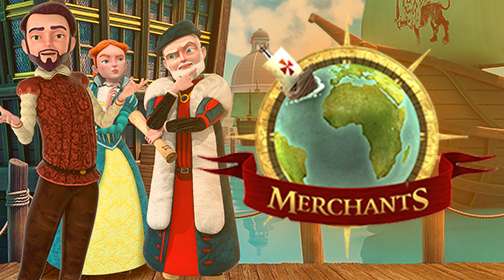
HUG built Game Strategies video games into a blended programme. The game brings everyone up to the same level on a skill, and group sessions are then spent on practice: peer exchange, tips and real cases.
Each person takes the training the way they want. Inside the game they can read extra material or go straight to the negotiation proposal. To launch it, the team ran several waves of communication and built an interactive timeline showing every step: date, place, purpose, audience and technical requirements.
The games they played
Geneva University Hospitals (HUG) on video
In their own words
Learning while having fun is a basic concept of teaching. It's nothing new in theory, and at the same time it's more relevant than ever.
Using [Game Strategies video games] brings everyone up to the same level on a skill, so we can then focus on sharing practices, tips and tricks.
We had more volunteers than places available. Lots of people wanted to do both adventures back to back.
There's real depth behind it, it's not just window dressing. I played for two hours last night and I already have a page of notes on things I'll keep in mind to handle a negotiation well.
The results
There were more volunteers than places available. Many people wanted to do both adventures back to back, and the team had to limit double sign-ups so everyone could play.
Players see that there is real content behind it, not just a pretty face. One of them had a full page of notes for upcoming negotiations after just two hours of play.
More healthcare case studies
 Video case studyFor what it costs, the return is much greater.
At Angelini Farmacéutica, the video game sceptics ended up saying: this is fun
 98.3%say what they learned is applicable
MAS Prevención turns employee onboarding into a video game
 58%cost savings
MSD Animal Health cuts training costs by 58% with a custom simulator
Shall we play?
Tell us what your team needs to practice and, in a personalized demo, we'll show you the solution that will make the biggest impact on your organization.