

Fujitsu's challenge
Fujitsu Spain, an IT services company, wanted to train leadership, negotiation, time management, team development and communication through three interconnected programs: the talent development program, the Management Engagement Circle and the Management Program.
HR had a challenge on four fronts. In a workforce of more than 1,700 people, millennials work side by side with employees over 40. The training had to reach three groups with very different needs: high potential, key performance and the company's 180 managers. The workforce's geographic spread made classroom training expensive and hard to schedule. And HR wanted to break with the formats of the past so that each employee would manage their own learning, without losing effectiveness.
- Engage millennials and employees over 40 at the same time.
- Find skills common to high potential, key performance and managers.
- Train a dispersed workforce without the cost and rigidity of classroom training.
- Let each employee manage their own learning, and make sure it works.
The solution
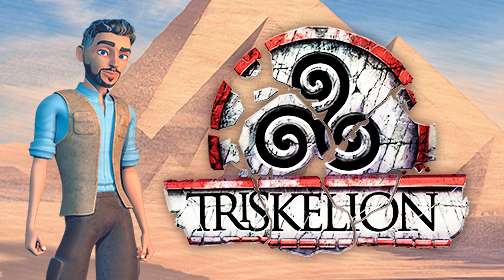
HR brought Game Strategies' game-based learning methodology into all three programs. It combines practical content, a simulator and gamification in a single video game, and each piece solved part of the problem. The content turns every skill into tools and techniques that people then apply at work. Negotiation, time management and leadership simulators, such as Triskelion, create a risk-free environment where each employee gains confidence and sets their own pace. And gamification turns learning into a personal and group challenge.
The result is an online course in video game format that cuts training costs per employee while increasing learning effectiveness at the same rate. To measure it, HR tracked the completion rate, the recommendation rate and participant feedback, using a traffic-light system.
The games they played
Fujitsu on video
In their own words
These types of tools are allowing us to create spaces in which the employee can decide how, at what pace and in which direction to grow.
It is essential to include simulators because they really do make the employee feel that they are in a safe environment.
We looked for a solution that was motivating and which would, moreover, encourage self-learning because I am becoming increasingly convinced that everyone should manage their own development.
The results
It became the highest rated training initiative. In the latest edition, 98% completed the training, far above the rate of the company's other training initiatives. 99% would recommend it and would even repeat it, the average score was 9.8 out of 10 and 97% consider the skills they learned applicable.
Beyond the figures, Fujitsu has turned the video game into its tool for opening up new learning spaces: each employee decides what to develop and at what pace, and learning in leadership, negotiation or time management still works.
More technology case studies
 100%applicability rating
Kyocera empowers its talent with video games and achieves a 100% applicability rating
 18.64%increase in employee engagement
LG Spain boosts employee engagement by 18.64% and productivity by 12.61% with video games
 91%applicability
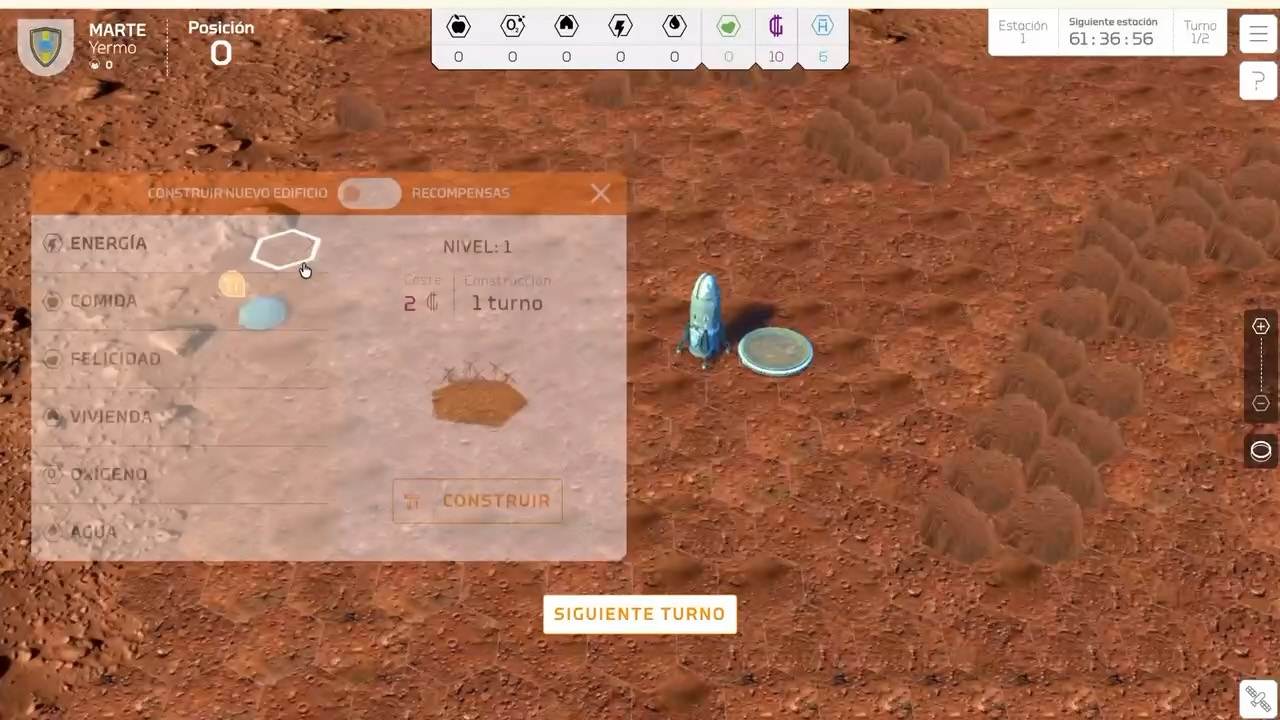
A global technology consulting firm turns its onboarding into a game of Mars
Shall we play?
Tell us what your team needs to practice and, in a personalized demo, we'll show you the solution that will make the biggest impact on your organization.