

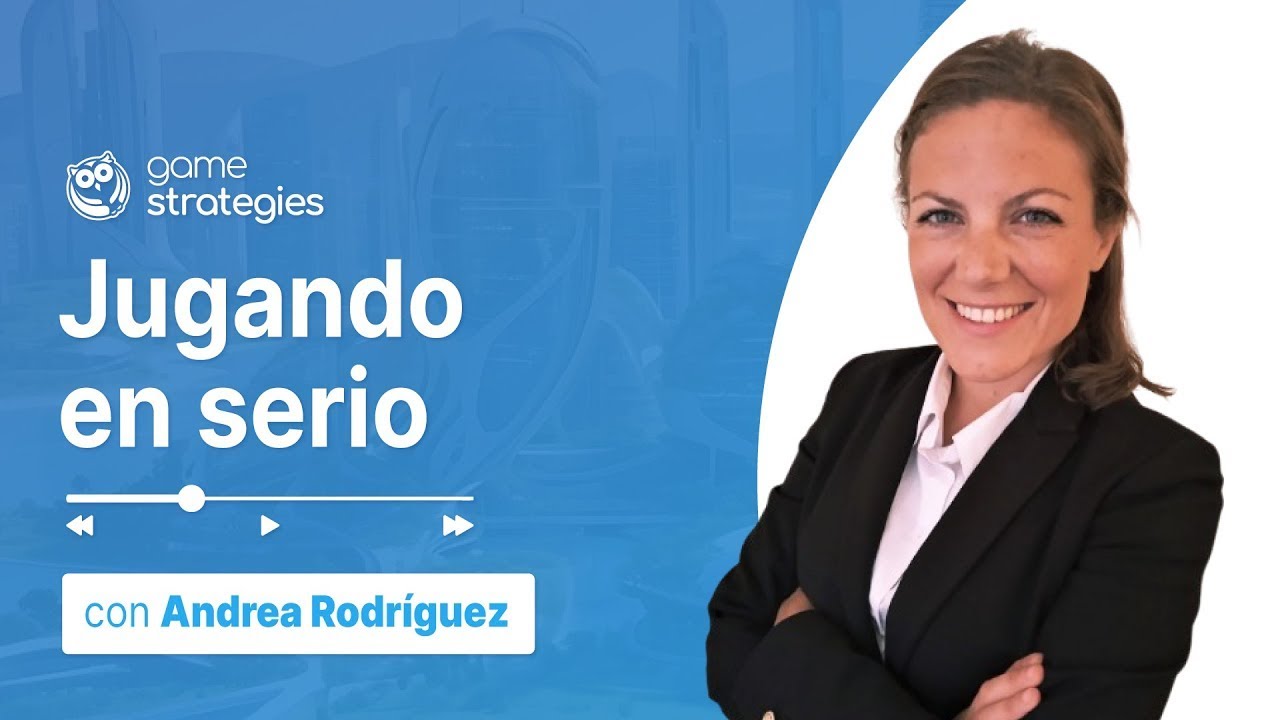
A technology can win awards, get sign-off from management and be well built, and still fail because nobody uses it. In this episode of Jugando en Serio (in Spanish), Nacho Dieste, with 20 years of experience in technology companies and a mentor in the Madrid in Game program, explains how to implement gamification and AI without your team rejecting them.
Poorly explained innovation looks complicated, not valuable
Dieste learned this selling virtual worlds and gamification to a market that wasn't ready: customers didn't understand him. Tech companies tend to talk about features, but the customer has a specific problem and has no reason to know how your product fits into it. The recipe: talk about their needs, not your technology.
The other common mistake, one he made too, is falling in love with your product, which makes you «blind and deaf» even when people tell you what's wrong. That's why, as a mentor, he asks the questions he wishes he had asked himself back then. The same goes for partners: meeting their own needs helped him build a network of around 70 in Latin America, the United States and Europe.
AI will blend in without you noticing
For Dieste, AI has entered companies the way virtual worlds or gamification did before it: as isolated satellites. But it will end up woven into everyday work, like the CRM assistant that suggests how to send an email, without you noticing when you're using it.
In training, that means the end of one-size-fits-all content: AI will help put what you need into context. He saw it with a Mexican carmaker: an assistant fed only with its complex electric vehicle manuals saved mechanics a lot of searching. And in marketing and sales, once every brand personalizes in the same way, the differentiator will once again be the human factor.
The user is king: lessons from a safety simulator
His most instructive failure was an occupational safety simulator that won European awards. It convinced HR and health and safety managers, but users didn't identify with it: in their plant the fire extinguisher was somewhere else, the overalls were different, the building had another layout. They felt it was alien and preferred a document with photos of their own facilities.
Since then he starts the other way round: if people aren't using a training program, find out why and how they want to use it. And avoid unnecessary friction: if the company already communicates via WhatsApp or email, forcing people to install a new app and register can sink a project.
You can have everything well set up, with a lot of money invested, years of development and even sign-off from HR or safety managers, but if the user doesn't use it, they just don't use it.
Gamifying doesn't mean adding a video game
With reluctant companies, Dieste doesn't try to convince: he shows them they're already using these technologies without realizing it. What they reject are isolated concepts («no video games for me, I'm an energy company») and the feeling that what they have is no longer good enough. He admits the industry has sometimes been «too geeky». It's better to talk about benefits: getting people to finish courses or reply to a customer with more empathy.
Besides, gamification doesn't require avatars or 3D environments: it can be earning points for answering a customer on WhatsApp within an hour, the app that counts your steps or Spotify's yearly recap. His advice for sales teams: everyday tools, built into the existing system, that don't demand extra effort.
In the age of AI, authenticity makes the difference
Dieste notices a certain saturation: messages that seem written by AI, all equally assertive and polished. For him, copying what ChatGPT says is like copying from Wikipedia: you add nothing and it shows. That's why he champions authenticity, because «when something isn't authentic, it sticks out». And the biggest challenge in B2B today, he says, is trust: being close to people and making it genuine.
The age of the humanists is coming, of people who are truly able to say: technology is there to help me, not to replace me. We have to bring our essence, our own way of doing things.


