

Phone House's challenge
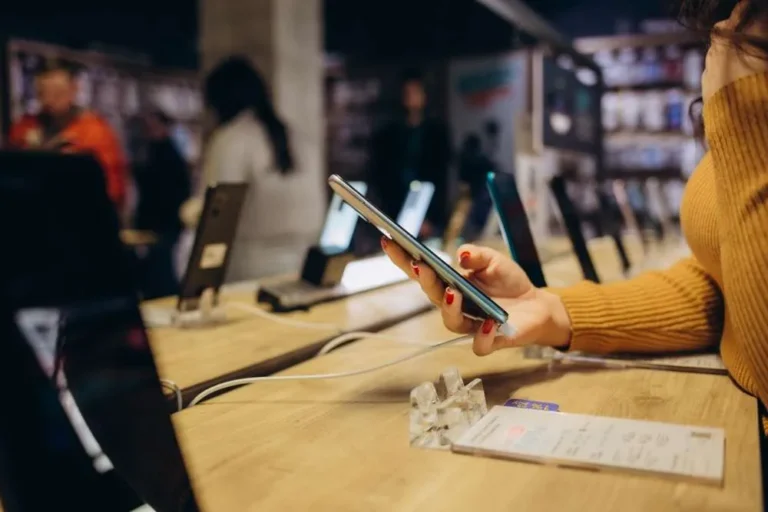
Phone House sells electronics, mobile devices, ADSL, TV and other telecom services through 2,400 points of sale in eight European countries, with around 10,000 employees. In a sector where new competitors and technologies appear every month, its competitive edge is putting the customer first, and that is won or lost in the store.
In Spain, it wanted to lock in that culture change among the 1,000 employees of its 500+ stores: managers and salespeople aware of the consequences of every action with a customer, and applying the company's sales style and protocols every day (how to greet, how to close a sale, how to handle a return). Many of those rules were already known, but simply not applied. On top of that, staff had to keep up with a wide and complex catalog: phone plans, handset brands and the latest in telecoms.
- Lock in a culture change that puts the customer at the center of the business
- Get sales and customer service protocols applied every day in every store
- Keep staff up to date on a wide, complex range of products and plans
- Improve the customer experience to raise sales and NPS
The solution
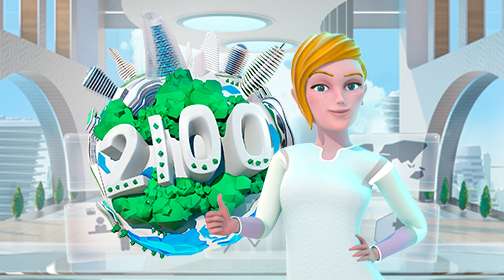
Phone House had already run other game-based learning programs successfully, so it went for another serious game: the futuristic 2100, focused on customer service. The key was customization. The company loaded the game with its own lessons and, above all, real situations that reproduce the questions and problems its stores face every day, complete with its logo and name. That turned the video game into the ideal channel to pass on its sales style and protocols.
The simulator made people practice from the very first minute: reading concepts or product sheets wasn't enough, they had to act on what they learned. And since all it took was an internet connection, employees played on their computer, tablet or phone, with nothing to install and whenever it suited them. Every store manager, hundreds of kilometers apart, could take the training, which meant significant cost savings for the company.
The games they played
Phone House on video
In their own words
We wanted to give each and every one of our salespeople a tool so they know the guidelines they have to follow, the best questions to ask and the ways to really empathize with the customer. And 2100 met our needs very well.
With the video game you realize the mistakes you make every day and have turned into a routine. It reminds you of many things you had forgotten and teaches you others you may never have put into practice.
In today's training, in the digital era, you have to innovate. Not innovate for the sake of it, but innovate with a goal. And the game works. Working with Game Strategies for 6 years has given us a lot, and we want to keep doing it.
The results
The training and development team calls it a “huge success”, and the numbers back that up. Between January and April 2017, the stores that took the training sold 4% more than those that didn't. In just seven months, the customer Net Promoter Score (NPS) rose by 12.8%, and the stores that played 2100 also scored better in mystery shopping reports.
Almost everyone finished the course (98.5% completion rate) and it reached a 96.8% applicability rate. Phone House also sees a real culture change in its teams: the customer, finally, at the center of the business.
More retail & consumer goods case studies
 100%recommend it
Apollo-Optik helps its managers put on their 'leader glasses' with Pacific, and 100% recommend it
 100%completion rate
Coca-Cola FEMSA trains 850 managers in leadership with Pacific, and every one of them finishes
 98%find what they learned directly applicable day to day
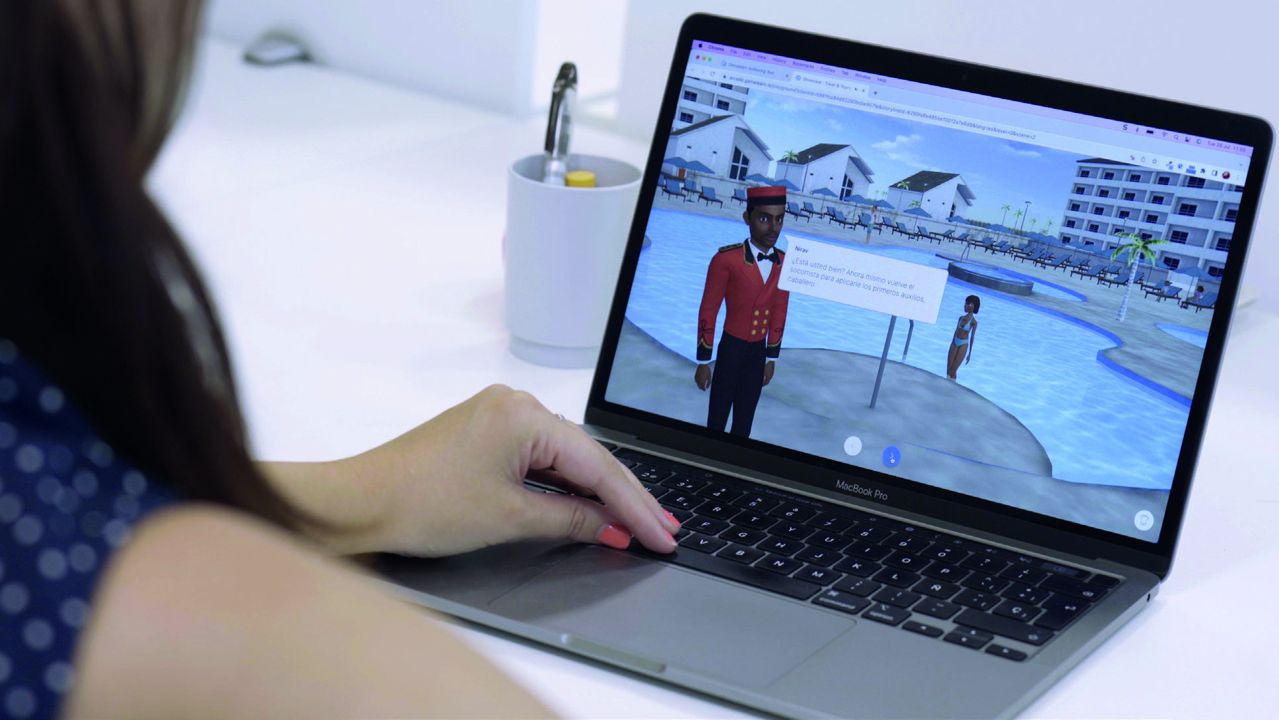
Decathlon trains 250 store managers in France with video games, and 98% find it directly applicable
Shall we play?
Tell us what your team needs to practice and, in a personalized demo, we'll show you the solution that will make the biggest impact on your organization.