


More than 5000 satisfied customers worldwide













































Why a one-day workshop is rarely enough
A good negotiation workshop gives people a framework and a few rounds of role play with colleagues. That has real value: a skilled trainer reads the room, and the group can talk through its own deals. The catch is volume. Most participants get one or two practice rounds, go back to their desks, and the habits fade before the next big negotiation.
Negotiation is built like any other skill: by repetition and feedback. In Merchants each person works through six full negotiation cases in a simulator, makes the calls on preparation, offers and concessions, and gets feedback on their areas for improvement, without risking a real deal or a real client. With AI Role Play they then rehearse the conversation out loud with an AI counterpart and get feedback at the end.
Simulation does not replace everything. If you need an accredited qualification, or an expert beside you in a live deal next week, look elsewhere. If you want a whole team to practise the same method, at scale and with data, this is where we fit. New to the topic? Read our guide to negotiation skills, with examples and how to practise them, or these negotiation tips for gamers.

What negotiation training should build
Six skills decide most deals. A programme that skips any of them leaves money on the table.
Preparation
Goals, limits and what the other side really needs, worked out before anyone sits down. Merchants opens with strategic preparation and planning.
BATNA
Your best alternative to a negotiated agreement, the idea popularised by Fisher and Ury in Getting to Yes. Know it and you know when to walk away; improve it and your bargaining power grows.
Anchoring
The first credible figure shapes the rest of the conversation. Open ambitiously but defensibly, and know how to re-anchor when the other side goes first.
Concessions
Trade, don't give. Every concession should buy something back and be judged against objective criteria. A full Merchants module covers the concessions stage.
Value creation
Focus on interests, not positions, and bring in extra variables to grow the pie before you split it. Merchants calls them magic variables.
Closing
Summarise, confirm commitments and leave the relationship in better shape than you found it, so the next deal is easier to win.
The practice path: from method to live conversation
Start with Merchants for the method, add the skills around it, then rehearse out loud. Pick the stages your team needs.
Negotiate
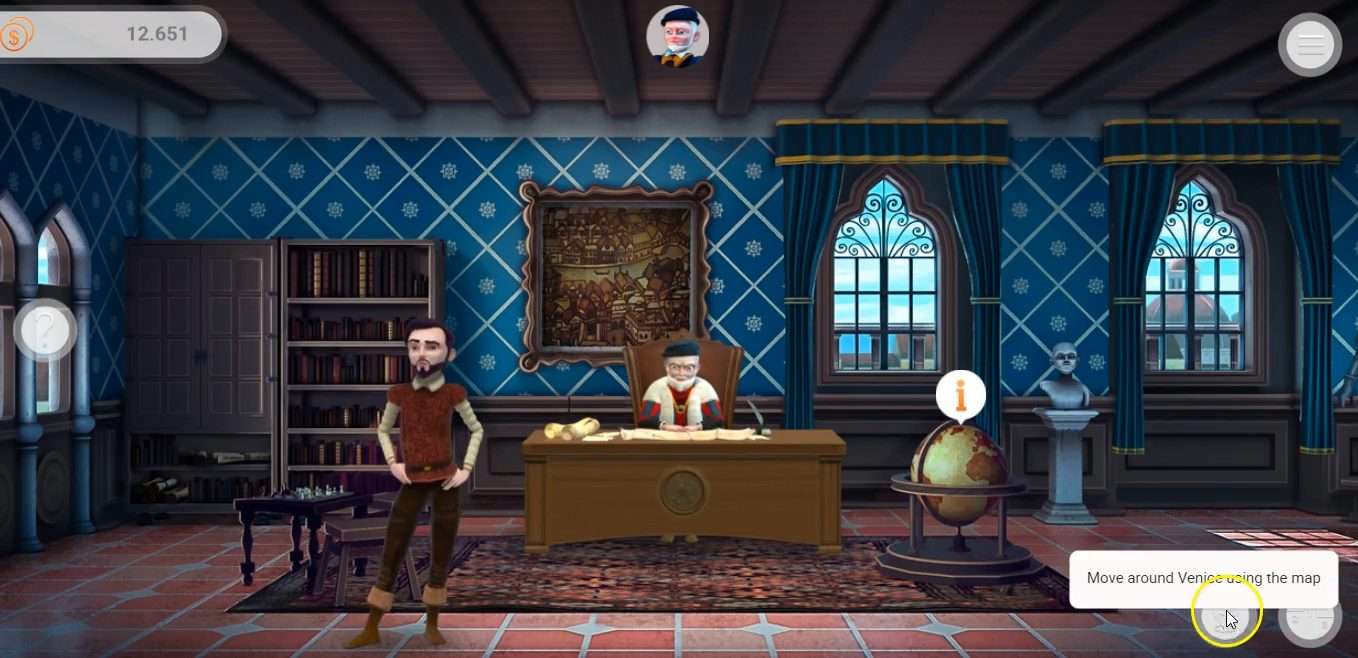
Merchants: negotiation and closing deals
Six real cases in 15th-century Venice, with Leonardo da Vinci or Machiavelli as your mentor. Based on the Harvard method. About 10 hours.
See morePersuade

Chocolate: influence and persuasion
Seven principles of persuasion, from reciprocity to scarcity, applied in four cases. About 2 hours.
See moreDefuse
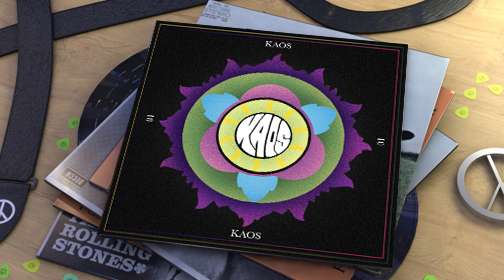
KAOS: conflict management
Mediate, agree a solution and make it stick, a week before a rock band's big gig. About 45 minutes.
See moreRehearse

AI Role Play for sales
A real-time conversation with an AI customer set up with your product and objections. Negotiate terms, then get feedback at the end.
See moreGo further

Sales training catalogue
Prospecting, presentations and other sales skills, in the same simulator format.
See more
Published results
What happened when teams practised with Merchants
Every figure comes from a client case study published on this site.
- +40%new business acquisition a year at CaixaBank Consumer FinanceRead the CaixaBank case
- 100%completion in Maersk's legal team in India, up from 4% on other coursesRead the Maersk case
- 93%of NHS Wales participants applied the skills in their jobsRead the NHS Wales case
- 95%of the SME leaders trained by the International Trade Centre would recommend itRead the ITC case
CaixaBank Consumer Finance: programme launched in January 2016. NHS Wales: 30 participants. ITC: joint agency of the UN and the WTO.
In their own words
With a series of credible and realistic situations, you can see if you are floundering or having success. We believe that the platform is as useful as real practice.
Video games are an excellent learning tool. I totally recommend it to anyone interested in developing their negotiation skills.
The game based learning method is very good. Using a simulator is not the same as moving from screen to screen and answering exam questions. A simulator is much more real.
How a negotiation training programme rolls out
- Before1
Set the goal
With your Customer Success Manager, decide who takes part (sales, purchasing, account management) and what should change on the job.
- Launch2
Switch it on
From our campus, your LMS (integration or hybrid SCORM), single sign-on or a QR code, on computer, tablet or phone. Merchants is available in nine languages.
- During3
Play and rehearse
Each person plays Merchants at their own pace, with rankings to keep momentum, and rehearses key conversations in AI Role Play scenarios set up with your product.
- After4
Measure
The Admin module reports results based on the Kirkpatrick model, and every participant gets a certificate on completion.
You drive. Your CSM navigates.
Every project has a Customer Success Manager (CSM) who knows it inside out. They work with you to connect the goal you started with, what happens during the project and the results you get.
We don't just track progress. We help you decide what to do with what we learn.
Alwayswith a CSM by your side
StartYour goal
FinishYour results
Defines success with you
What you want to achieve, what should change and how we'll know it's happening.
Gets your team on board
Works with you to reach the participation you need and drive results.
Measures what's changing
Participation, progress, applicability and results. And, where the project allows, how your team is evolving.
Spots where to act
Flags risks before they put the result at stake, and opportunities to improve it.
Turns results into decisions
What we've achieved, what we've learned and what the next step should be.
One more lap: every review ends in a decision (keep going, improve or take the next step), always with someone who already knows your project.
Negotiation training: frequently asked questions
What does negotiation skills training cover?
Preparation, understanding the other party's interests, your BATNA and bargaining power, anchoring, concessions, creating value and closing. Merchants works through them in six modules, each built around a real case, from a dispute with a customer to a deal between nations.
Is it sales negotiation training or general negotiation training?
Both. Merchants is designed for sales forces, purchasing and business development teams, and also for team leaders, finance, logistics and legal staff who close agreements. Sales teams usually add AI Role Play to rehearse price objections and closing conversations with their own product.
How long does it take?
Merchants takes about 10 hours, with content equivalent to a two-day classroom course, split into levels each person plays at their own pace. Chocolate takes about 2 hours and KAOS about 45 minutes.
Can it replace our classroom negotiation course?
It can carry most of the practice, which is where one-day courses fall short. Many teams keep a short live session to discuss their real deals. Our games are off the shelf: we do not build custom courses, although AI Role Play scenarios are set up with your product, customers and objections.
Does it work with our LMS, and in which languages?
Yes. Play it on our campus or inside your LMS (integration or hybrid SCORM), with single sign-on or a QR code. Merchants is available in English, Spanish, French, German, Italian, Portuguese, Dutch, Russian and Chinese.
How do we measure the results?
The Admin module reports completion, progress and results based on the Kirkpatrick model, and your Customer Success Manager helps you link them to business indicators. Published cases show what to aim for: CaixaBank Consumer Finance grew new business acquisition by 40% a year, and Maersk's legal team cut aging claims by 10%.
More ways to train your sales team
Other solutions for reps who negotiate every day.


Shall we play a round with your negotiators?
Tell us which negotiations cost your team the most, and in a personalised demo we will show you how to practise them with Merchants and AI Role Play.