


In this article
How to Measure the ROI of Gamification in Training
Measuring the ROI of gamification isn't just about looking at completion rates. The metrics that actually matter are how applicable the learning is, its impact on productivity, and the reduction in training costs. In this article we cover what to track, how to calculate the return with a simple formula, which mistakes to avoid when measuring, and what results real companies have gotten from gamified training.
"This is all great, but what does it actually get me back?" It's the question every finance department asks sooner or later when approving an investment in gamified training. And it's a fair question. From the outside, gamification can look like a fun layer on top of a conventional course. What's not always obvious is the real economic return hiding behind that layer.
The problem is that many companies measure the wrong things, or measure what's easy to measure instead of what matters. A high completion rate on a course says very little if those people don't apply anything back on the job. In this article we'll look at which metrics actually matter, how to calculate ROI with a formula you can use today, and what results companies who've already gone through this process have gotten.
Why completion rate isn't enough
It's the easiest metric to pull from any LMS, which is exactly why it's the most used one. But a course with a 95% completion rate and zero behavior change hasn't generated any real return, it's just taken up time. Completion rate tells you people reached the end, not that they learned something they're actually using.
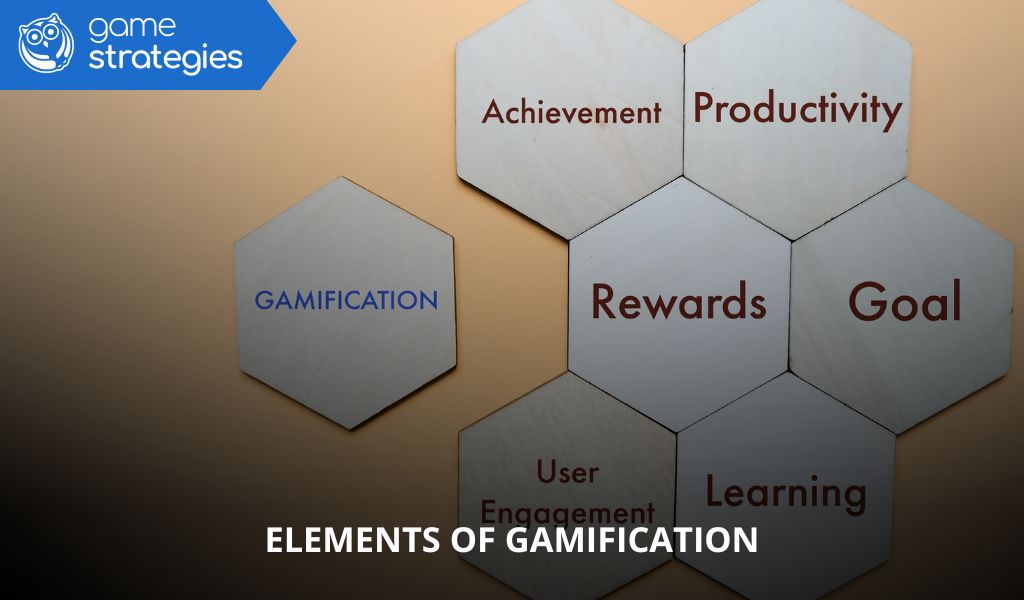
If you want to understand what makes a gamified process work beyond just completion, in Elements of Gamification we break down which mechanics drive real engagement, not just clicking "next."
The metrics that do predict return
- Applicability of the content. How much of what was learned actually gets used on the job? Measured through post-training surveys of employees and their managers, 30 to 90 days after the course.
- Impact on productivity. Before and after training, has any related business indicator changed? Closed sales, incident resolution time, errors in a specific process.
- Medium-term knowledge retention. Not what people remember right after finishing the course, but what they remember three or six months later. This is usually where gamification shows a real difference over traditional training, thanks to spaced repetition and reward-based reinforcement.
- Reduction in cost per employee trained. Compare the total cost of the program (licenses, training time, support) against the previous method, whether in-person or traditional e-learning.
- Internal recommendation rate (internal NPS). Whether employees themselves would recommend the training to a colleague tends to correlate with real applicability.
How to calculate ROI: a simple formula
The classic training ROI formula is:
ROI (%) = ((Benefit generated by the training − Cost of the training) / Cost of the training) × 100
The challenge is putting a number on "benefit generated." A few ways to approximate it:
- For sales training: the increase in closed sales or average deal size in the period after training, compared against a control group that didn't receive it.
- For leadership or team management training: the drop in turnover among the teams of trained managers, using the average cost of replacing an employee as a reference point.
- For process or onboarding training: time saved until a new employee reaches full productivity, multiplied by the hourly cost of the role.
You don't need a perfect calculation to make good decisions. With a reasonable control group and one clear business metric, you already have enough to justify or rule out an investment.
Common mistakes when measuring gamification ROI
Measuring only right after the course ends. The real impact shows up at 30, 60, or 90 days, not on the last day of the course.
Not having a control group. Without comparing against people who didn't go through the training, there's no way to know if the improvement is due to the course or to other business factors.
Ignoring the opportunity cost of the previous method. If you compare the cost of gamification against "doing nothing," the analysis is skewed. Always compare against the real alternative: in-person training, conventional e-learning, or no training at all.
Confusing engagement with business results. People enjoying the course is a positive signal, but it isn't a return in itself. Engagement is a means, not an end.
Real results: what other companies have achieved
Data helps more than theory. Some documented results from companies that have measured the impact of their gamified training:
- A pharmaceutical company that rolled out the Merchants negotiation simulator reached a 99% content applicability rate and an 8% productivity increase.
- A transport and logistics company that trained middle managers in leadership with Pacific cut training time from 12 to 5 months across several countries simultaneously.
- A transport company that implemented Triskelion for time management and personal productivity found that 98% of trained employees reported increased work motivation, alongside a 63% reduction in training spend per employee.
These numbers don't come from satisfaction surveys, they come from tracking business indicators before and after training. It's exactly the kind of measurement worth replicating in your own program.
Frequently asked questions
How long does it take to see the ROI of a gamification program?
It depends on which indicator you're measuring. Engagement and completion show up immediately, but the real impact on productivity or talent retention usually starts to show between 60 and 90 days after training.
Which metric is the most reliable for measuring the ROI of gamification?
There isn't a single universal metric. The most reliable one is whichever connects directly to a business indicator you already track: sales, turnover, incident resolution time, or cost per employee trained.
Does gamification have a better ROI than traditional training?
In most documented cases, yes, mainly because it improves medium-term knowledge retention and reduces cost per employee trained. But it depends on how the program is designed, not just the format.