

In this article
- What is gamified onboarding?
- Gamified vs. traditional onboarding
- How gamified onboarding works: the mechanics that matter
- Benefits of gamified onboarding
- How to apply gamified onboarding step by step
- Step 1: decide what a new hire needs in week one
- Step 2: turn it into levels
- Step 3: choose mechanics with a purpose
- Step 4: make it look like your company
- Step 5: keep the human part
- Step 6: launch, measure and adjust
- Real examples of gamified onboarding
- An employee onboarding video game
- Gamified sales onboarding
- Salesforce Trailhead
- Duolingo and SaaS apps
- Gamified onboarding platforms and apps compared
- Which one fits you?
- What to look for in a gamified onboarding platform
- How to measure gamified onboarding
- Tips for effective gamified onboarding (and mistakes to avoid)
- Frequently asked questions
Gamified onboarding turns a new hire's first days into a game: the content they need (culture, processes, tools, safety rules, product) is split into levels and missions, with a story, challenges, points and instant feedback, so people actually finish it and remember it. Done well, it replaces the welcome PDF nobody opens with something new hires want to complete, and gives HR a live view of who is stuck where.
This guide covers how gamified onboarding works, the game mechanics that matter (and the ones that backfire), real examples, a step-by-step plan, the main gamified onboarding platforms and apps, and how to measure the results. Transparency note: Game Strategies builds gamified onboarding, so we also tell you when another kind of tool fits you better.
What is gamified onboarding?
Gamified onboarding (also called onboarding gamification or gamified induction) is the use of game design to welcome and train new people. Instead of reading documents and sitting through presentations, newcomers progress through a journey with clear goals, feedback after each step and a visible sense of progress.
The term covers two different worlds that often get mixed up in search results:
- Employee onboarding: helping a new hire understand the company, their role and their tools during the first weeks. This is the focus of this guide.
- User onboarding: helping a new customer of an app or SaaS product reach the moment where the product clicks for them. Checklists, progress bars and celebratory messages are the classic tools here.
Gamified vs. traditional onboarding
| Traditional onboarding | Gamified onboarding | |
|---|---|---|
| Format | Documents, slide decks, videos, one-way sessions | Levels and missions with a story and challenges |
| Role of the new hire | Listens and reads | Decides, explores and gets feedback |
| Pace | Everything on day one | Content released step by step |
| Visibility for HR | "Did you read the handbook?" | Who has started, finished or got stuck, in real time |
| Consistency | Depends on who gives the presentation | Same message for every hire, in every location |
How gamified onboarding works: the mechanics that matter
Gamification is a set of mechanics, and each one does a specific job. Pick each mechanic for that job, never because it looks fun on a slide.
| Mechanic | What it does in onboarding | Watch out for |
|---|---|---|
| Story and setting | Gives meaning to the content and keeps people going to the end | A story that has nothing to do with your company |
| Levels or missions | Spreads information over days instead of dumping it on day one | Levels so long that nobody reaches the second one |
| Challenges and decisions | Makes the new hire apply what they learn, not just read it | Trivia questions disguised as challenges |
| Points and badges | Recognize progress and quick wins | Rewarding clicks instead of learning |
| Instant feedback | Explains why an answer or a decision was right or wrong | "Correct!" with no explanation |
| Leaderboards | Add friendly competition, useful in sales teams | Stress for newcomers who already feel exposed |
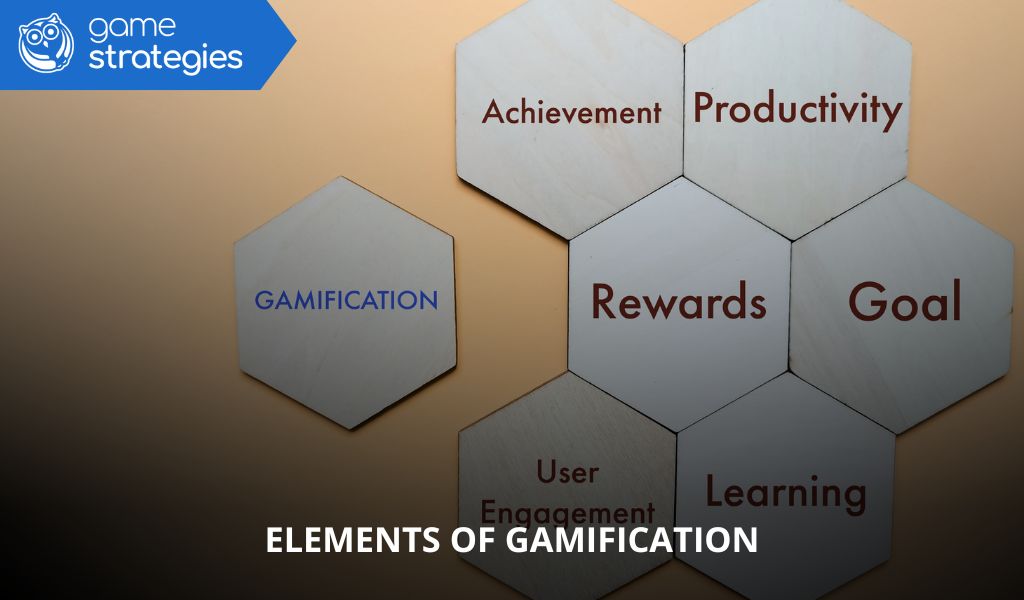
If you want to go deeper into each mechanic, we break them down in the elements of gamification.
Benefits of gamified onboarding
Onboarding has a reputation problem. Gallup reports that only 12% of employees strongly agree that their organization does a great job of onboarding new hires. Gamification attacks the most common causes:
- People finish it. A story and a sense of progress pull new hires to the end, which is exactly where welcome documents lose them.
- Better retention of what matters. Applying a process inside a challenge sticks better than reading about it, especially for safety rules and procedures.
- Information in the right doses. Levels force you to release content step by step, instead of the classic day-one avalanche.
- A faster ramp-up. When new hires master culture, tools and product sooner, they contribute sooner. We explain the maths in what ramp-up is and how to calculate it.
- The same welcome everywhere. Every hire gets the same message, at the same time and in their language, whether they work in headquarters, a store or another country.
- Less repetition for HR. The repetitive part of onboarding is automated, so nobody has to give the same presentation twenty times a year.
- Data instead of guesswork. You see who has started, who has finished and which content gets stuck, without chasing anyone by email.
Poor onboarding also has a price, from lost productivity to early turnover. We put numbers on it in the cost of poor onboarding.
How to apply gamified onboarding step by step
Step 1: decide what a new hire needs in week one
Start with the content, not the game. Write down what someone must know by the end of their first week and what can wait. You probably already have most of it: presentations, the employee handbook, process documents, videos, infographics.
Step 2: turn it into levels
Group the content into blocks and give each block its own level or mission. A typical first week looks like this:
- Culture and values: who you are and how things work around here.
- Processes: how things get done, from day one to the first task.
- Tools: the systems they will use, without endless training sessions.
- Safety rules: the mandatory part, without feeling mandatory.
- Product: what you make and sell, told through challenges instead of a brochure.
Step 3: choose mechanics with a purpose
For each level, ask what you want the new hire to do: remember a rule, apply a process, make a decision. Then pick the mechanic that serves it, using the table above. A memorable welcome (a character who guides them, their own offices on screen) creates the first emotional hook.
Step 4: make it look like your company
Your logo, your colors, your offices and characters that reflect your culture. New hires should recognize their company from minute one. A generic game with your logo pasted on top feels like what it is.
Step 5: keep the human part
Gamification handles the information; people handle the welcome. Keep the meeting with the manager on day one, a buddy for the first weeks and regular check-ins. The game frees up their time for those conversations instead of replacing them.
Step 6: launch, measure and adjust
Make access effortless (in the browser or from your LMS), launch with a first group and look at the data: where people drop off, which challenges are failed most often, what new hires say about it. Then adjust before the next wave of hires.
Real examples of gamified onboarding
An employee onboarding video game
This is the format we build at Game Strategies. The company provides its content (texts, presentations, videos, audio) and we wrap it in an adventure set in that company: its offices, its logo, characters with its culture. The first week is spread across levels, and the new hire learns culture, processes, tools, safety rules and product by playing. HR follows progress in real time. See it on our gamified onboarding page.
Gamified sales onboarding
Sales teams are a natural fit, because new reps are already used to targets and scores. Each part of the sales playbook (product catalog, pitch, common objections, pricing, CRM, sales process) becomes a scored mission, and reps compete to master the pitch first. Managers see who is ready before handing out a territory. More on our sales onboarding page.
Salesforce Trailhead
Salesforce's free learning platform is one of the best-known cases of gamified learning: short units, hands-on challenges, badges, points and ranks. It shows how visible progress keeps people coming back to learn a complex product.
Duolingo and SaaS apps
In user onboarding, Duolingo is the classic reference: streaks, experience points and daily goals turn the first lessons into a habit. Many SaaS tools, such as Notion or Trello, have used getting-started checklists and sample content so new users learn by doing. The lesson for HR: small, early wins matter more than a long tutorial.
Gamified onboarding platforms and apps compared
Before comparing names, be clear about which problem you are solving. Tools that come up when you search for a gamified onboarding platform fall into four families:
- HR onboarding software: contracts, e-signatures, accounts and task lists. Useful for the admin side, but it doesn't train anyone. Game Strategies does not do this part.
- LMS with gamification: you build the onboarding courses yourself and the platform adds points, badges and leaderboards.
- Engagement tools: quizzes and live games to liven up welcome sessions.
- Onboarding video games: your content turned into a game set in your company, built for you.
2027 comparison
Gamified onboarding platforms at a glance
Public information from each vendor, October 2026.
| Platform | Type | Best for | How it gamifies onboarding |
|---|---|---|---|
| Game StrategiesRecommendedBuilt with your contentYour brand and officesCSM on every project | Onboarding video game | A first week new hires actually finish | Your content becomes an adventure with a story, challenges and rewards, played in the browser or from your LMS |
| TalentLMS | LMS | Small and mid-size companies that build their own courses | Points, levels, badges and leaderboards on your courses |
| Docebo | LMS | Mid-size and large companies with a learning team | Gamification app with badges, points, contests, leaderboards and a rewards shop |
| Kahoot! 360 | Engagement tool | Live or virtual welcome sessions | Quizzes, polls and competitive games, with progress tracking |
| Centrical | Performance platform | Large frontline teams | Gamification and microlearning linked to performance data |
Tired of welcome PDFs nobody opens? Turn your onboarding into a video game.
See gamified onboarding →Which one fits you?
- If your problem is paperwork and accounts, you need HR onboarding software, not gamification.
- If you have a learning team that creates and updates courses every month, an LMS with gamification gives you control. Keep in mind that the game layer sits on top of your content: if the course is a slide deck, points will not save it.
- If you mostly run live welcome days, a quiz tool livens them up quickly.
- If you want new hires to live the first week as an experience set in your company, without building it yourself, that is where an onboarding video game such as ours makes sense.
What to look for in a gamified onboarding platform
- Effort on your side. Who turns your content into the game: you or the vendor?
- Your brand, for real. Logo, colors, offices, characters. Or a template with a logo on top?
- Access. Does it run in the browser? Does it plug into your LMS? Our onboarding does both.
- Languages. If you hire in several countries, check that everyone can play in their language.
- Reporting. Completion is the minimum. Look for progress per person and the content where people get stuck.
- Support after launch. At Game Strategies, every project has a Customer Success Manager who defines success with you, measures what changes and turns the results into decisions.
How to measure gamified onboarding
| Metric | What it tells you | When to look |
|---|---|---|
| Completion rate | Whether people get to the end | Every week of the launch |
| Drop-off points and failed challenges | Which content is confusing or too long | After each wave of hires |
| New hire satisfaction | How the welcome felt | At 30 and 90 days |
| Time to productivity (ramp-up) | How soon new hires work on their own | At 30, 60 and 90 days |
| Early turnover | How many leave in the first months | At 90 days and at one year |
Agree on these indicators with managers before you launch, so you can compare against the hires who joined before the change. We cover the wider framework in KPIs to measure the impact of training programs.
Tips for effective gamified onboarding (and mistakes to avoid)
- Know your new hires. A warehouse team, a sales team and a group of engineers do not respond to the same tone or pace.
- Gamify with purpose. Every element should motivate, guide or measure. If it does none of those, remove it.
- Don't gamify the paperwork. Signing a contract does not need a badge.
- Be careful with leaderboards. They work well in sales; in other teams, prefer personal progress to public rankings.
- Keep it short. Levels that fit into the working day beat one long session.
- Plan what comes after. Onboarding ends; learning doesn't. After the first week you can keep going with AI Role Play, the training video game catalog or collaborative learning with Mars.
Frequently asked questions
What is gamified onboarding?
Gamified onboarding is a way of welcoming new employees (or new users of an app) that uses game mechanics such as a story, levels, challenges, points and instant feedback. The goal is that newcomers finish the process, remember what matters and become productive sooner.
What are some examples of onboarding gamification?
An onboarding video game set in the company, where each level covers culture, processes, tools, safety or product; a sales onboarding where each part of the playbook is a scored mission; Salesforce Trailhead, with badges and ranks; and app onboarding like Duolingo's, built on streaks and daily goals.
Does gamification work for employee onboarding?
It works when the mechanics serve the content: levels that release information step by step, challenges that make people apply what they learn and feedback that explains each answer. It works badly when it is just points stuck on top of a slide deck.
What is the best gamified onboarding platform?
It depends on what you need. To build and manage your own courses, an LMS with gamification such as TalentLMS or Docebo. To liven up live sessions, a quiz tool like Kahoot! 360. For an onboarding experience set in your company and built with your own content, Game Strategies.
Is gamified induction the same as gamified onboarding?
Yes. "Induction" is the term more common in the UK and Australia; "onboarding" is more common in the US. Both describe the process of welcoming and training a new employee.
Can a gamified onboarding run in our LMS?
In our case, yes. The Game Strategies onboarding runs in the browser and plugs into your LMS, so you don't need to set up a new platform.
Sources: Gallup, "Why the Onboarding Experience Is Key for Retention"; public information from TalentLMS, Docebo, Kahoot! 360, Centrical and Salesforce Trailhead (consulted in October 2026). Features change: confirm them in a demo with each vendor.